
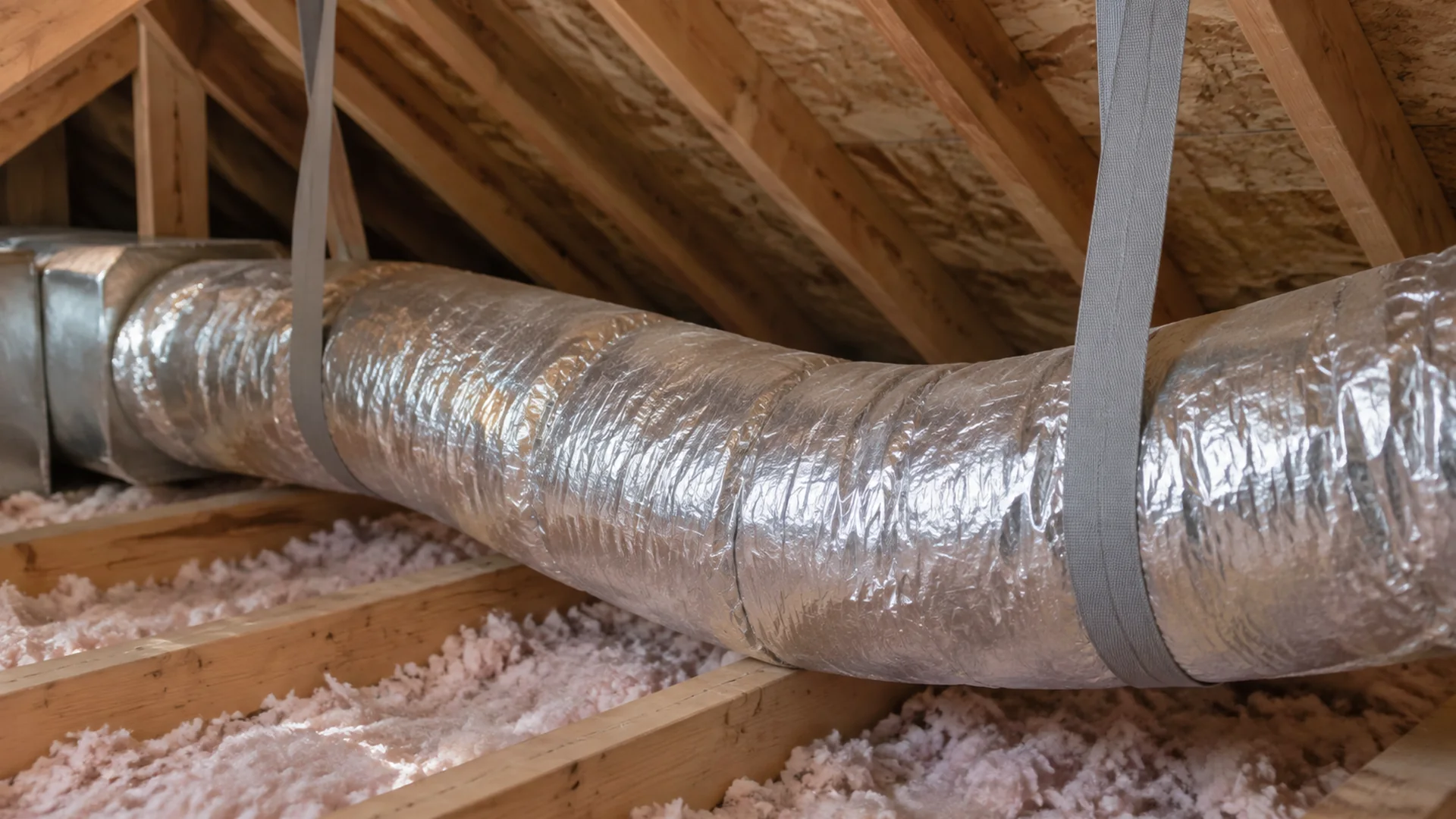
A concern around an air vent is a reason to ask questions, not proof that a duct-cleaning appointment is the answer. The location, timing and condition matter. A useful first step is to record what you notice without turning it into a diagnosis.
These five concerns preserve an important distinction: some observations relate to possible cleaning, while others belong with an HVAC provider, another building professional or a healthcare professional.
1. Visible dust or debris at an opening
A dusty return grille and material coming out of a supply opening are different observations. Note which opening is involved and whether dust sits on its face or loose material appears when the system runs. Mention recent renovation or work near the opening.
Do not assume that a surface deposit proves the entire duct network needs cleaning. The EPA's guide to household duct cleaning distinguishes ordinary dusty registers from more substantial debris concerns. Its emphasis is the condition of the system, not a calendar reminder to buy cleaning.
If you can take a photograph from a normal standing position, it may help explain the location. Do not reach inside, remove unfamiliar material or enter an inaccessible space to gather evidence. Ask what a provider needs to see before recommending work.
2. An unfamiliar or recurring odor
An odor near a vent does not identify where it began. Record where you notice it, when it appears and whether the heating or cooling system is running. Explain whether it follows water exposure, building work, a change of filter or another event you know about.
A musty description is not a mold diagnosis. Moisture, suspected growth or damaged material should be explained before an ordinary cleaning appointment is arranged. The appropriate next step may be a separate qualified assessment rather than cleaning or deodorizing.
Do not spray fragrance, oils, powders or cleaning liquid into the opening. Masking the smell does not answer the source question and makes it harder to explain the original concern. We do not promise that ordinary duct cleaning will remove every odor.
Our guide to duct odors explains what to record and why adding scents inside the system does not answer the source question.
3. Dust that keeps returning to the room
Notice the pattern before deciding the ducts are responsible. Is the dust mainly near a doorway, on one shelf, after a building project or around a return opening? What is happening in the room when it becomes noticeable?
Keep ordinary household cleaning and equipment-filter care in the picture. Follow the filter instructions for your system and ask the appropriate HVAC provider about a damaged or poorly fitting filter arrangement. A duct-cleaning estimate should not replace that conversation.
When you inquire, describe the places and timing rather than requesting a guaranteed “dust-free home.” A provider can discuss the cleaning task it offers, but a room's appearance alone does not establish everything inside the air-distribution system.
4. A higher energy bill or an uncomfortable room
A bill change does not show that a duct is dirty, and duct cleaning should not be sold as a guaranteed route to lower costs. Keep the bill concern separate from any visible cleaning concern.
Record what changed, such as the room affected or when you first noticed a difference. Ask an appropriately qualified HVAC provider to assess equipment or performance questions. Do not agree to duct cleaning on the assumption that it repairs a leak, replaces damaged ductwork or corrects every heating and cooling problem.
If a cleaner proposes additional work, ask what has actually been observed and whether that work falls within its service. An itemized explanation is more useful than a prediction of savings.
5. Allergies, breathing concerns or other symptoms
Health symptoms are not a reliable way for a cleaning company to diagnose a duct condition. We do not attribute a headache, cough, allergy or illness to your ducts, and we do not offer duct cleaning as a treatment.
Discuss health concerns with a qualified healthcare professional. If there is also a visible property or cleaning issue, describe that separately to the appropriate provider. One conversation does not replace the other.
Avoid a service recommendation based on fear about your family's health. You should be able to ask what cleaning is proposed and why without accepting an unsupported promise of symptom relief.
Turn the observations into a useful inquiry
Before calling, write down the location, timing, any known water exposure or recent work, and what you can see without disturbing the system. Include thermostat and intake counts if you know them, but do not delay an inquiry because you lack technical names.
Our San Antonio air duct cleaning page explains the current rate and service. Each thermostat counts as a unit, and multiple units need a confirmed estimate. The cleaning scope and any proposed additional work should be clear before you agree to a visit.
Questions before you book
How often should ducts be cleaned?
Ask what condition supports the recommendation for your home. There is no universal annual or multi-year schedule that makes every household due for cleaning.
What products or materials will be used?
Ask the provider to identify the proposed method and any product, explain suitability for the duct material and set out the included components. Do not assume that a disinfectant, sealant or filter change is part of every cleaning.
Is cleaning risk-free?
Do not accept a blanket assurance. Ask about access, protection of the rooms, debris collection and what happens if an area is unsuitable or cannot be reached. If the explanation does not answer your concern, pause before proceeding.
Could the next step be something other than cleaning?
Yes. Ordinary surface care, an equipment assessment, investigation of moisture or a different qualified professional may be more relevant. The purpose of recording the concern is to choose the right next step, not to make every observation fit a cleaning package.
For cleaning in another listed city, choose that location in the service-area directory and request a property-specific estimate. A San Antonio offer does not establish another city’s price.