
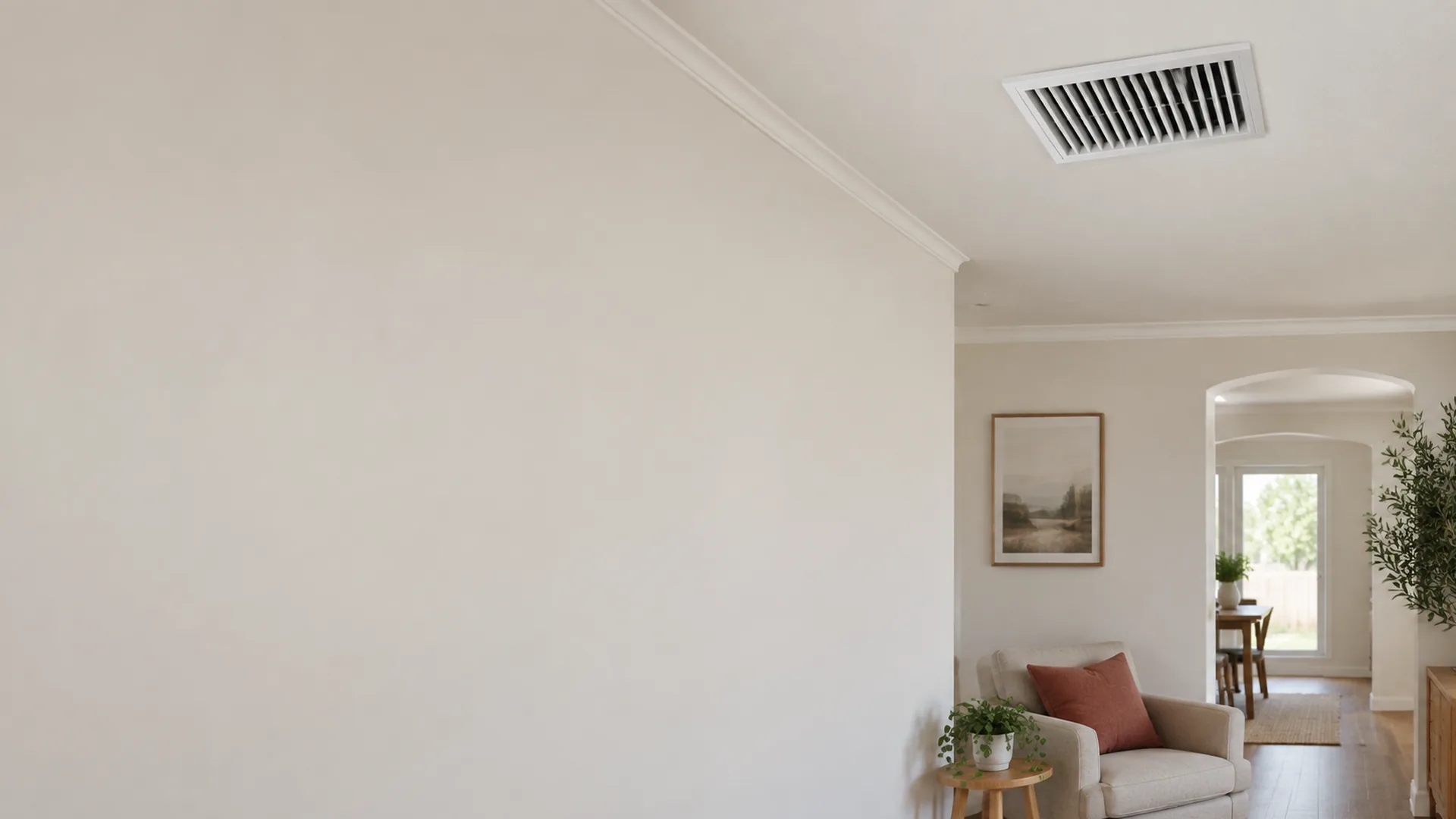
An air duct cleaning appointment should begin with a review of the concern, the agreed work and access to the system. During the visit, the provider should explain the proposed method and any finding outside the estimate. Before leaving, it should be clear what was completed and what remains unresolved.
The exact method and visit length depend on the duct material, condition and scope. A general description of professional cleaning does not establish that every company uses the same machines or includes every HVAC task.
Before the Appointment: Confirm Scope and Access
Tell the provider why you are considering cleaning. Describe renovation debris, material coming from an opening, an odor or another observation. Mention water exposure, pests, damaged material or suspected growth before confirming ordinary service.
Useful details include thermostat count, intake information if known and access points. You do not need to diagnose concealed ducts, remove equipment covers or enter an attic to make an inquiry. For an apartment or shared building, confirm who controls access and what permission is required.
Discuss pets, fragile belongings, rooms that must remain available and any furniture blocking the work. Our duct-cleaning preparation checklist explains what to arrange without emptying every room or attempting duct cleaning yourself.
Ask for the expected visit length and any heating or cooling interruption. A fixed online timeline cannot show whether a particular job is thorough. Mention work calls or other commitments before agreeing to a date.
On Arrival: Review the Estimate Together
Walk through the agreed areas and point out the concern. The scope should distinguish supply ducts, returns, visible fittings and equipment components. Supply openings deliver air to rooms; returns draw air back toward the equipment.
Compare the San Antonio estimate with the current offer. Each thermostat counts as a unit for quoting, and multiple units need a confirmed estimate. Clarify intake counts, included components and any exclusions before work begins.
Ask what happens if an area cannot be reached or if access would require an opening or alteration. Agree on how it would be left afterward. A damaged section, moisture concern or suspected mold may require another qualified assessment; cleaning does not automatically include replacement or regulated remediation.
During Cleaning: Understand the Method
Professional cleaning involves accessing the agreed sections, loosening debris with a suitable method and collecting it. Ask how the approach suits the duct material and how the surrounding rooms and furnishings will be protected.
The EPA's consumer guide describes provider practices and a post-cleaning checklist. Use those points for questions rather than assuming a particular camera, vacuum rating or report is included in your booking.
Agree on a clear work route and how questions will be handled. You do not need to stay beside every opening throughout the job. If a new finding changes the proposal, ask what was observed, why it matters and what separate work or provider is needed before agreeing.
Components and Products Need Their Own Explanation
Cleaning ductwork and servicing equipment inside an HVAC unit are different parts of a potential job. Ask which components are covered and who will perform each task. Filter replacement, repairs, sealing and installation should not be inferred from a general package name.
The published San Antonio package lists sanitization, deodorizer and HVAC-unit cleaning alongside duct cleaning. Confirm the components and suitability of proposed products. A fragrance does not show that an underlying odor source has been corrected, and a treatment is not automatically necessary for every system.
Dryer exhaust is separate from the heating-and-cooling ducts. Confirm whether the dryer work you requested is included in the package or needs a standalone quote. Access and suitability still need discussion.
Before the Provider Leaves: Review the Work
Put the completed work beside the estimate. Ask which sections were addressed, what could not be accessed and which findings remain unresolved. Request accessible views or available documentation; discuss photographs or video in advance if they are important to you.
Check that relevant covers are back in place and that the work area has been cleared. Raise questions about an unfinished item or an unexpected charge while the scope is easy to compare. Ask how to report a concern afterward.
This review establishes the account of cleaning performed. It is not an indoor-air certification or a promise of allergy relief, lower bills or longer equipment life. A changed smell does not establish that a separate moisture or equipment issue is solved.
Afterward: Keep the Record and Follow Ordinary Care
Keep the estimate, completed-work notes and any unresolved recommendations together. Follow the HVAC manufacturer's filter and maintenance guidance. A cleaning visit does not create a universal yearly appointment schedule.
If the original concern continues, record when and where it happens. The next step may be another assessment rather than repeated cleaning. Health questions belong with a qualified healthcare professional, and insurance questions belong with your own insurer; a cleaning company cannot determine either outcome.
Our San Antonio air duct cleaning service carries the current rate, inclusions and free-estimate path. For another listed city, request an estimate for that address and confirm its terms. A preferred date remains a request until the work and availability are agreed.