Signs Your Air Ducts Are Dirty and Need Cleaning in San Antonio
Your home’s air ducts accumulate debris, dust, and contaminants over time, yet many San Antonio homeowners remain unaware of the warning signs that indicate professional cleaning is overdue. Recognizing these telltale symptoms early can save you from poor indoor air quality, increased energy costs, and potential health issues.

Visible Dust Around Vents and Registers
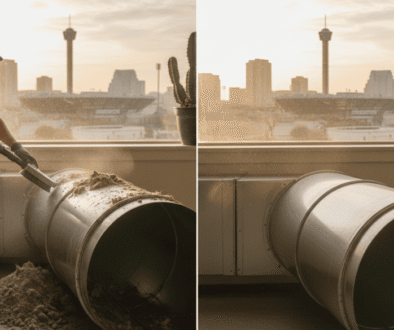
One of the most obvious indicators that your air ducts need attention is the presence of dust buildup around your vents and air registers. When you notice thick dust coating the vent covers or dark streaks extending from the vents onto your walls or ceiling, it’s a clear sign that contaminated air is being circulated throughout your home.
This dust doesn’t just appear overnight. It accumulates gradually as your HVAC system pulls air through dirty ductwork, carrying particles that settle around the openings. Here’s what to look for:
- Gray or black streaks radiating from vents
- Thick dust coating on vent covers that returns quickly after cleaning
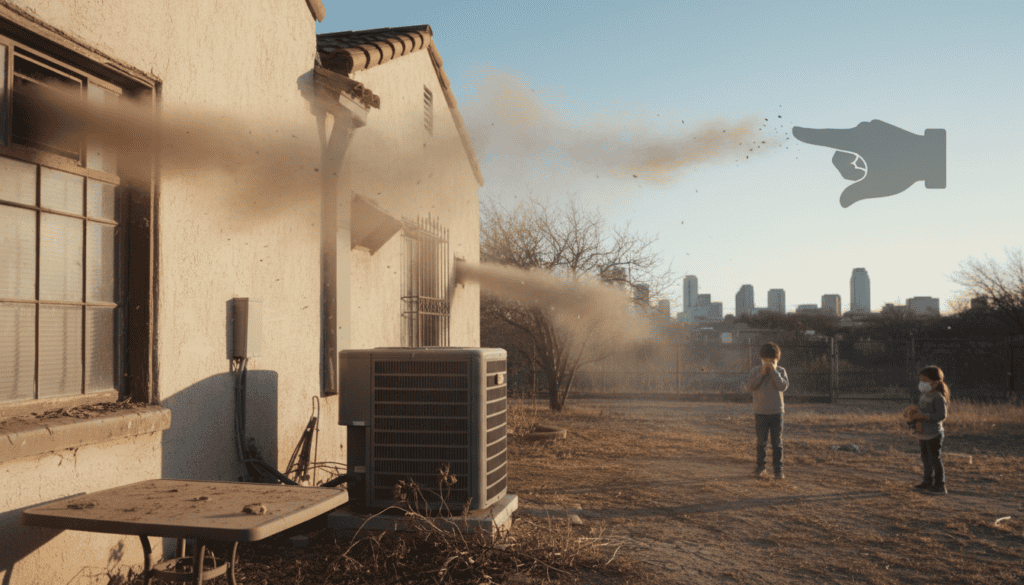
- Visible debris or particles being blown out when the system starts
- Dusty buildup on furniture directly below or near vents
The reality is that clean ducts shouldn’t produce visible dust clouds or leave residue around your vents. If you’re constantly wiping down the same areas, your ductwork is likely the culprit.
Unexplained Increase in Energy Bills
When your air ducts are clogged with debris, your HVAC system works harder to maintain comfortable temperatures throughout your home. This increased workload translates directly into higher energy costs that many San Antonio homeowners don’t connect to their ductwork condition.
Dirty ducts restrict airflow, forcing your system to run longer cycles to reach the desired temperature. The Department of Energy estimates that dirty ducts can reduce HVAC efficiency by up to 40%. Most businesses miss this connection between duct cleanliness and energy consumption, but it’s one of the most reliable indicators of ductwork problems.
Signs Your Energy Usage Is Duct-Related
- Gradual increase in monthly bills without changes in usage patterns
- System running longer cycles to reach set temperatures
- Uneven heating or cooling between rooms
- Frequent system cycling on and off
Poor Indoor Air Quality and Allergic Reactions
Contaminated air ducts become breeding grounds for allergens, dust mites, and other irritants that circulate throughout your living space. San Antonio’s climate, with its humidity and seasonal pollen, can exacerbate these issues when combined with dirty ductwork.
Here’s the thing: if family members are experiencing increased allergy symptoms, respiratory issues, or general discomfort when indoors, your air ducts might be the underlying cause. Clean ducts should improve your indoor air quality, not compromise it.
Health-Related Warning Signs
- Increased frequency of allergy symptoms indoors
- Persistent coughing or throat irritation
- Headaches that improve when you leave the house
- Worsening asthma symptoms
- Unexplained fatigue or drowsiness at home
The Environmental Protection Agency notes that indoor air can be two to five times more polluted than outdoor air. Dirty ducts contribute significantly to this problem by continuously recirculating contaminated air throughout your home.
Musty or Unpleasant Odors
Strange smells coming from your vents are never a good sign. These odors often indicate the presence of mold, mildew, or bacterial growth within your ductwork. San Antonio’s humid climate creates ideal conditions for these issues, especially in ducts that haven’t been properly maintained.
Different odors can indicate various problems:
- Musty smells: Usually indicate mold or mildew growth
- Stale odors: Often from accumulated dust and debris
- Pet odors: Dander and hair buildup in the system
- Chemical smells: May indicate contamination or pest control residue
This might surprise you, but these odors don’t just disappear on their own. They typically worsen over time as the source of contamination spreads throughout the ductwork system.

Visible Mold Growth
Discovering mold growth around your air vents or inside accessible portions of your ductwork requires immediate attention. Mold thrives in dark, humid environments, making your air ducts an ideal breeding ground if moisture is present.
You don’t need to see extensive mold growth to have a problem. Even small patches around vents or registers indicate that conditions within your ducts support mold development. Professional inspection and cleaning become essential at this point to prevent health risks and further contamination.
Common Mold Indicators
- Black, green, or white fuzzy growth around vents
- Discoloration on vent covers or nearby walls
- Persistent musty odors when the system runs
- Increased humidity levels in certain rooms
Pest Infestations and Droppings
Rodents, insects, and other pests often use air ducts as highways throughout your home. These unwelcome visitors leave behind droppings, nesting materials, and other debris that contaminates your air supply and creates health hazards.
Here’s what works for identifying pest-related duct problems: look for small droppings near vents, listen for scratching or movement sounds within the ductwork, and watch for insects emerging from vents when the system starts.
Common signs of pest infiltration include:
- Small droppings around vent openings
- Scratching or scurrying sounds from within ducts
- Insects crawling out of vents
- Nesting materials visible in accessible ductwork
- Chewed or damaged duct insulation
Reduced Airflow from Vents
When debris accumulates in your ductwork, it restricts the flow of conditioned air to your living spaces. You’ll notice that some vents barely produce airflow while others seem to work normally. This uneven distribution forces your system to work harder and creates uncomfortable temperature variations throughout your home.
The reality is that clean, well-maintained ducts should provide consistent airflow from all vents. Significant variations in air pressure or volume indicate blockages, damage, or contamination within the system.
Airflow Issues to Monitor
- Weak airflow from multiple vents
- Some rooms consistently warmer or cooler than others
- Whistling or unusual sounds from vents
- Difficulty maintaining consistent temperatures
It’s Been More Than Three Years Since Your Last Cleaning
The National Air Duct Cleaners Association recommends professional duct cleaning every three to five years for most homes. However, San Antonio’s climate conditions, combined with factors like pet ownership, recent construction, or family members with allergies, may require more frequent cleaning.
Most homeowners don’t realize that regular maintenance prevents the accumulation of contaminants that lead to the problems we’ve discussed. Waiting until you notice obvious signs often means the issue has progressed beyond simple prevention.
Factors That Increase Cleaning Frequency Needs
- Pets that shed hair and dander
- Recent home renovations or construction
- Family members with allergies or respiratory conditions
- Smokers in the household
- High pollen seasons in San Antonio

The Cost of Delaying Professional Cleaning
Ignoring dirty air ducts doesn’t make the problem disappear—it makes it more expensive. What starts as routine maintenance can escalate into major system repairs, health issues, and significantly higher energy costs.
Here’s what most people get wrong about duct cleaning: they view it as an unnecessary expense rather than preventive maintenance. The truth is that regular cleaning protects your investment in your HVAC system while maintaining healthy indoor air quality.
Long-term Consequences of Dirty Ducts
- Premature HVAC system wear and potential failure
- Ongoing health issues from poor air quality
- Continuously increasing energy costs
- More extensive cleaning requirements when finally addressed
- Potential mold remediation costs
Why San Antonio Homes Face Unique Challenges
San Antonio’s climate presents specific challenges for maintaining clean air ducts. The combination of humidity, seasonal pollen, and dust storms creates conditions that accelerate contamination buildup in HVAC systems.
The city’s rapid growth also means many homes experience construction dust and debris that can infiltrate ductwork. Additionally, the extended cooling season means your air conditioning system—and by extension, your ducts—work harder and longer than in many other climates.
Choosing Professional Duct Cleaning Services
When you’ve identified signs that your air ducts need cleaning, selecting the right professional service makes all the difference. Look for companies that provide transparent pricing, use proper equipment, and follow industry standards for duct cleaning procedures.
Quality work involves more than just running a brush through your ducts. Professional cleaning includes inspection, debris removal, sanitization, and verification that the job meets industry standards. Honest service providers will explain their process and provide before-and-after documentation of their work.
What to Expect from Professional Service
- Complete system inspection before starting work
- Use of proper HEPA-filtered vacuum equipment
- Cleaning of all accessible ductwork, not just main lines
- Sanitization to eliminate mold and bacteria
- Clear documentation of work performed
Maintaining Clean Ducts After Professional Service
Professional cleaning gives you a fresh start, but maintaining clean ducts requires ongoing attention to your HVAC system. Regular filter changes, keeping vents unobstructed, and addressing moisture issues help extend the time between professional cleanings.
Don’t forget that your ductwork is part of a larger system. Maintaining your HVAC equipment, sealing air leaks, and controlling humidity levels all contribute to keeping your ducts cleaner longer.
The signs we’ve discussed—from visible dust and increased energy bills to poor air quality and unusual odors—shouldn’t be ignored. These indicators tell you that your home’s air duct system needs professional attention to restore healthy indoor air quality and efficient HVAC operation.
At Texan Cleaners, we understand that San Antonio homeowners need honest, transparent service when addressing air duct contamination. Our quality-first approach ensures that your ductwork receives the thorough cleaning it needs to protect your family’s health and your HVAC investment. Don’t let dirty ducts compromise your home’s comfort and air quality—contact us today for a professional assessment of your air duct system.