
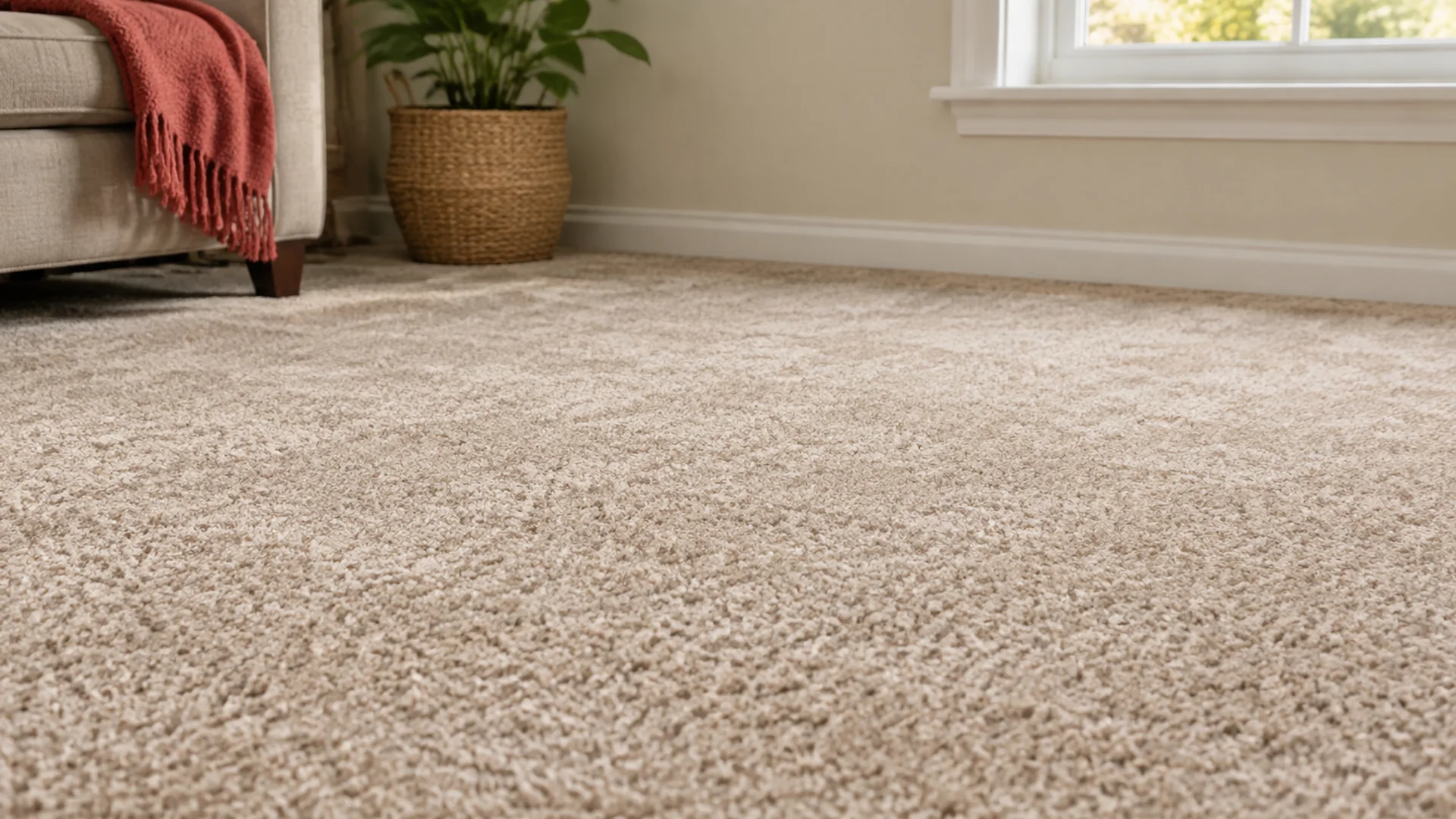
Vomit on carpet calls for careful cleanup and attention to the cause of the incident. A small pet mess and vomit associated with an infectious illness need different handling. Removing a visible mark is not proof that a surface has been disinfected.
If illness may be involved, seek appropriate health and cleanup guidance before treating the area. The CDC's norovirus prevention page is a starting point for public-health instructions. Do not apply a hard-surface bleach procedure to carpet on the assumption that the materials are interchangeable.
Keep the Area Out of Use
Keep people and pets away from the affected area while you arrange appropriate cleanup. Avoid walking through the mess and carrying it onto other surfaces. Do not start vacuuming, brushing or adding fragrance.
For an incident involving illness, follow the relevant health guidance and seek a cleaner equipped for that work. A routine carpet-cleaning appointment is not a substitute for a contamination-response assessment.
Check the Carpet and the Situation
Find the carpet's material and care instructions if possible. Explain whether the incident involved a pet, food or an illness concern, and whether liquid reached beyond the visible spot. The response should fit both the material and the situation.
If you are uncertain about handling the mess, stop and ask for qualified help. Do not combine a spot-removal recipe from one source with a disinfecting recipe from another.
For a Routine Pet Mess, Lift Rather Than Scrub
Where ordinary spot cleaning is appropriate, use gloves and carefully lift loose material with disposable absorbent material or a rounded disposable scoop. Keep the action gentle so you do not work the mess into the pile. Dispose of used materials appropriately and wash your hands.
Do not vacuum wet material or spread powders across the area. A salt or baking-soda layer is not a substitute for removing the mess and choosing a suitable cleaning procedure.
Use Only a Compatible Cleaning Procedure
Check the carpet manufacturer's instructions and the label of any product intended for the particular mess. Test in an inconspicuous area and follow the stated amount, dwell time and removal instructions. Keep children and pets away until the product's return-to-use conditions are met.
Avoid peroxide mixtures, bleach recipes, vinegar soaking and repeated aggressive scrubbing. Do not assume that a product suitable for fitted carpet is also suitable for a mattress or a sofa. Each material needs its own care decision.
Assess the Area After It Dries
Where the permitted procedure involves moisture, remove residue as directed and allow the area to dry fully before use. Note any remaining mark, odor or texture change. Stop repeated wetting if the issue remains.
A clean appearance or the absence of odor cannot confirm disinfection. If illness, contamination or an affected underlying layer is a concern, obtain the appropriate specialist advice instead of using appearance as the acceptance test.
For an ordinary spot-cleaning situation, our carpet-drying guide covers aftercare. It does not establish disinfection or replace the appropriate guidance for an illness-related incident.
Explain the Incident Before Booking
For a routine carpet spot without an unresolved illness or contamination concern, our carpet cleaning service can discuss suitability and an estimate. Tell us what happened and which products were used before booking. We do not present ordinary carpet cleaning as infection control, medical care or a guarantee that every stain will disappear.