
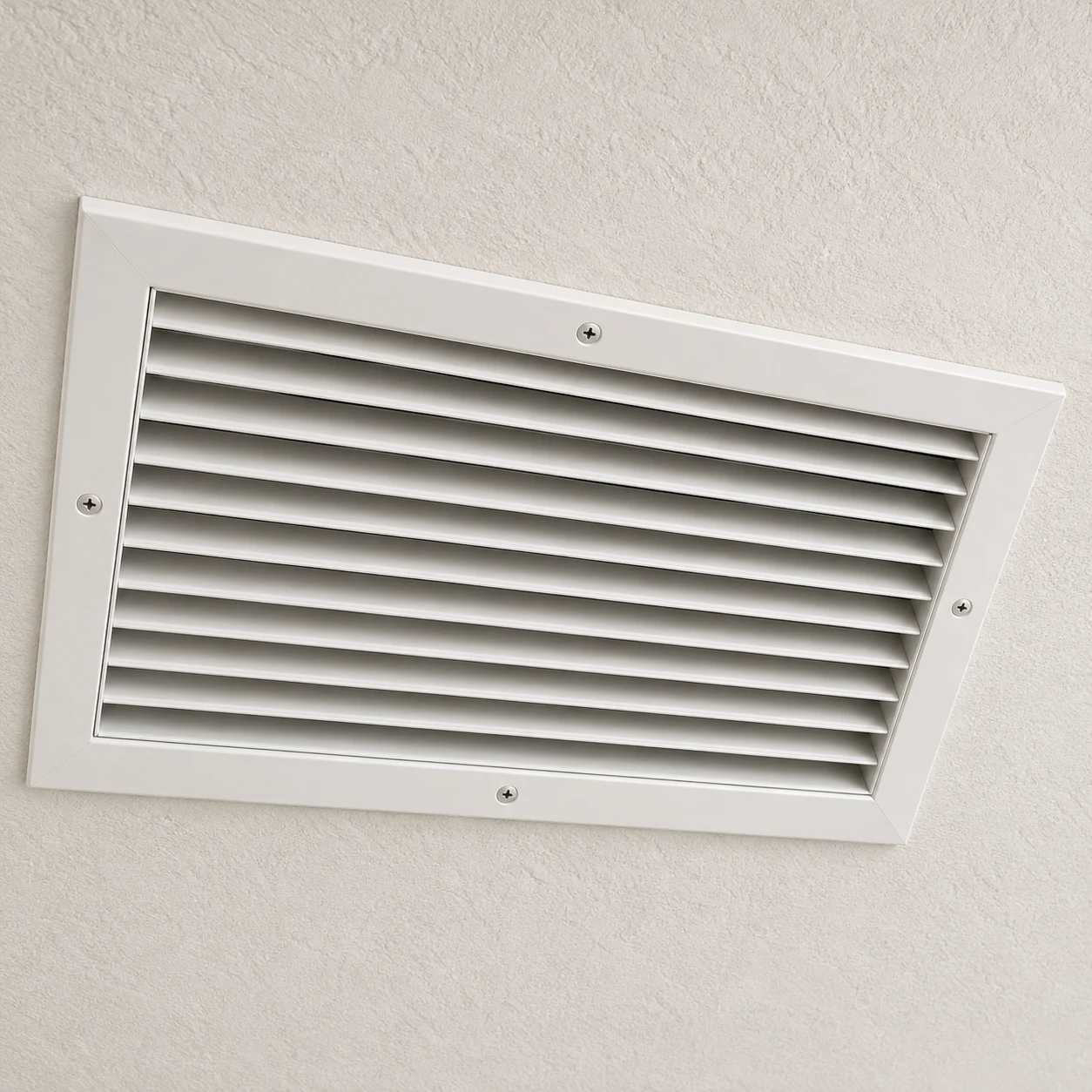
Air duct cleaning is worth considering when it addresses a supported cleaning need at a price and scope you understand. Its practical benefit is removing agreed debris from suitable areas. It is not an automatic requirement for every San Antonio home or a guaranteed way to relieve allergies, cut bills or repair an HVAC problem.
Start with what has been observed, what the proposed cleaning can address and how its completion will be reviewed. Those questions give you a firmer basis for spending than a list of promised benefits.
What Are You Paying to Have Cleaned?
Supply ducts deliver conditioned air to rooms; returns draw air back toward the equipment. Cleaning an agreed duct path is different from wiping a visible grille. An estimate should identify the sections, openings and equipment components included.
Ask which areas can be reached, how the material affects the method and what remains outside the job. “Professional” or “whole-system” does not establish that every component, filter change or repair is included.
Our San Antonio homeowner's guide to duct cleaning explains those parts and the decisions from first inquiry through follow-up. The home's actual condition should guide the conversation.
What Benefit Can Cleaning Reasonably Offer?
Where the material and condition are suitable, the proposed task is removal of the agreed dust or debris. Ask to see or understand the finding behind the recommendation. A dirty return cover alone does not establish that every concealed duct needs treatment.
Removing material from a defined area does not show where all the dust in a room came from or promise that it will never return. Household surfaces, fabrics and ordinary filter care still need their own attention.
A useful proposal connects an observed condition with work you can understand. If an odor, water incident or recurring deposit has another cause, cleaning or deodorizing should not replace investigating that cause.
Does Duct Cleaning Prevent Health Problems?
The EPA's homeowner guidance says duct cleaning has not been shown to prevent health problems. It also does not recommend routine cleaning for every home. Those limits matter when a sales pitch promises that regular visits will protect the family's health.
We do not offer cleaning as treatment for allergies or asthma, promise allergen elimination or certify that a home's air is medically safe. A photograph, odor or account of symptoms does not establish what is in the air or what caused a person's condition.
Take health concerns to a qualified healthcare professional. Describe any separate property observation to the appropriate building or equipment provider. Neither conversation replaces the other.
Will Cleaning Lower Bills or Extend Equipment Life?
Do not budget for cleaning on a guaranteed saving or payback. A higher bill, weak airflow or an uncomfortable room does not establish that dirt in the ducts is responsible. Ask an appropriately qualified HVAC provider about equipment, performance or damaged ductwork.
Cleaning cannot reconnect a crushed or disconnected section, correct an installation or stop a continuing leak. A cleaning estimate should not be presented as a replacement for that assessment.
For suspected mold, wet insulation, pests or deteriorated material, establish the appropriate qualified help before choosing ordinary cleaning. An older home or a pet does not prove that its ducts need treatment.
Do Equipment Names and Treatments Establish Value?
Ask how debris will be loosened and collected, how the method suits the material and how the rooms will be protected. A machine's advertised power or a long list of tools is less useful than an explanation of their role in your job.
Do not assume a camera, report, filter specification or particular brush is included because an industry article mentions it. If any of those matters to your decision, ask directly. A household vacuum at the grille is not the same task as cleaning concealed ducts.
A product or coating also needs an explanation of purpose, suitability and price. A scent after treatment does not prove that a source has been removed. Avoid accepting a promise of a permanently mold-free or dust-free home.
How Should You Compare the Cost and the Company?
Our San Antonio air duct cleaning page gives the current rate and package details. Each thermostat counts as a unit for quoting, and multiple units need a confirmed estimate. Compare the intake count, components, access, products and exclusions with other written proposals.
The published duct package includes complimentary dryer vent cleaning; a separate dryer-only visit has its own phone quote. Confirm access and suitability rather than treating an inclusion as proof it applies to every route. San Antonio terms do not automatically apply to a property in another city.
Verify any advertised credential or insurance rather than relying on a logo. Read the actual warranty, payment and appointment terms when offered. A low price is not proof of poor service, and a high price is not proof of a better outcome.
What Would Make the Appointment Worthwhile?
Before work starts, agree on how additional findings will be explained and authorized. At the end, compare completed work with the estimate, ask about inaccessible sections and keep the record. A clear limitation is more useful than an unmeasured assurance of healthier air.
Proceed when there is a suitable cleaning task, a comprehensible estimate and realistic expectations. If the case for buying rests only on fear, automatic health benefits, guaranteed energy savings or a fixed repeat schedule, ask for the evidence before deciding. We offer free estimates and time to discuss the work without pressure to accept extra duct work.