
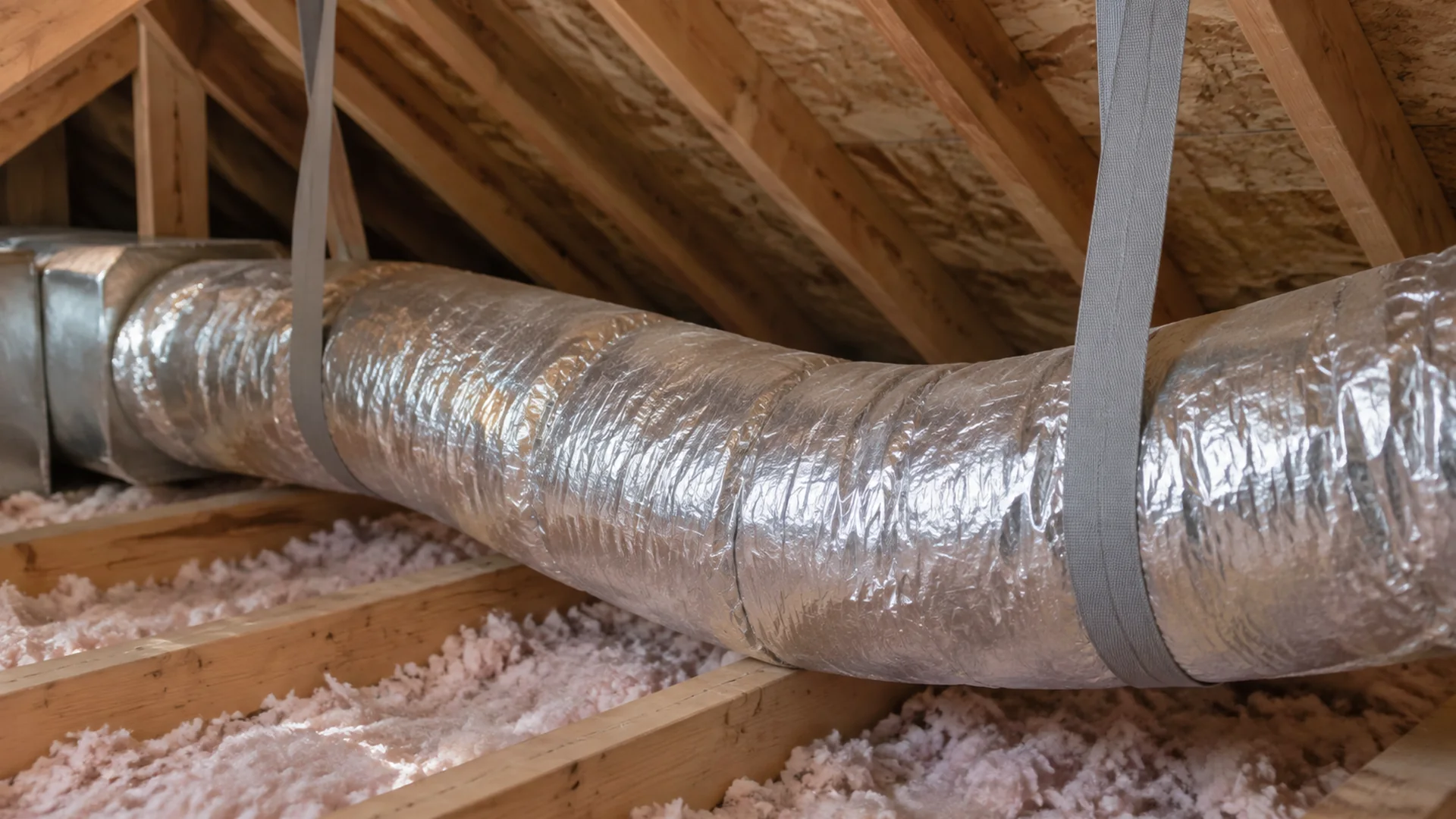
Air ducts can collect dust and other debris as air moves through a home's heating and cooling system. The source and amount vary, so finding dust on a grille does not tell you everything about the ducts behind it.
Understanding the possible routes helps you describe a concern and decide whether you need ordinary surface care, an equipment assessment or a discussion about duct cleaning.
Where does duct dust come from?
Return openings draw room air back toward the equipment. Household dust can collect on their visible faces. Dust-producing activities, including building or renovation work, are also relevant details when you notice a new deposit.
The EPA's duct-cleaning guide describes several ways to limit dirt entering a system, including appropriate filters, avoiding gaps around the filter holder and controlling dust during renovation. Those practical points are more useful than assuming that dirt has only one source.
Mention a missing or damaged filter arrangement to the appropriate HVAC provider. If you know about a damaged or disconnected duct, describe it before arranging cleaning. Do not assume that cleaning will repair an opening or that every home has a leaking system.
What kinds of material might you notice?
You may be describing ordinary dust, hair, loose building debris or an unfamiliar deposit. Use the appearance and location rather than guessing the material's identity. If you can see it without reaching into the system, a photograph may help explain the concern.
An odor or dark mark is not enough to identify mold. Moisture, suspected growth, damaged insulation or pest evidence needs separate consideration before routine cleaning is agreed. Leave unfamiliar material undisturbed and ask what qualified assessment is appropriate.
There is no useful reason to turn every observation into a list of invisible contaminants. The cleaning discussion should begin with what is actually known about the home, not an assumption that every possible substance is present.
Does dirty ductwork establish a health problem?
No cleaning company should diagnose an illness from the appearance of a vent. We do not attribute allergies, infections or other symptoms to your ducts, and we do not promise that cleaning will prevent or treat them.
Speak with a qualified healthcare professional about health concerns. If you also noticed a property issue, report it separately to the appropriate provider. Keeping those questions separate avoids buying a cleaning service as though it were a medical assessment.
What can be cleaned at the surface?
A reachable grille face is different from the concealed duct behind it. Follow the manufacturer's care instructions for accessible covers, and avoid reaching into unfamiliar equipment or removing material to investigate a concern.
Deep duct cleaning should not become a do-it-yourself project with a long household vacuum hose, brush or liquid cleaner. Ask a provider to explain access, material suitability and debris collection for the actual system. An inaccessible or damaged area may need a different assessment.
We offer air duct cleaning for San Antonio homes and can discuss the scope you want considered. We do not claim that every system can be treated the same way, and we do not turn an ordinary cleaning inquiry into a repair, mold-remediation or restoration promise.
If dust is returning to surfaces across the room, our household dust guide helps separate room-care tasks from a concern about the ducts themselves.
How can you reduce repeat buildup?
Follow the heating and cooling manufacturer's filter and maintenance instructions. Ask the appropriate provider about fit, damage or access rather than choosing a different filter or altering the system yourself. Keep ordinary household dusting and vacuuming in your routine.
If building work is planned, discuss protection and dust control with the people carrying out the work before it begins. If a new deposit follows that project, keep the timing and affected locations in your notes.
If the same concern returns after cleaning, describe the change instead of automatically booking another visit. An unresolved source, a different cleaning task or an equipment issue may need consideration. A cleaner's job is to explain the relevant scope, not to make every dust concern fit a recurring package.