
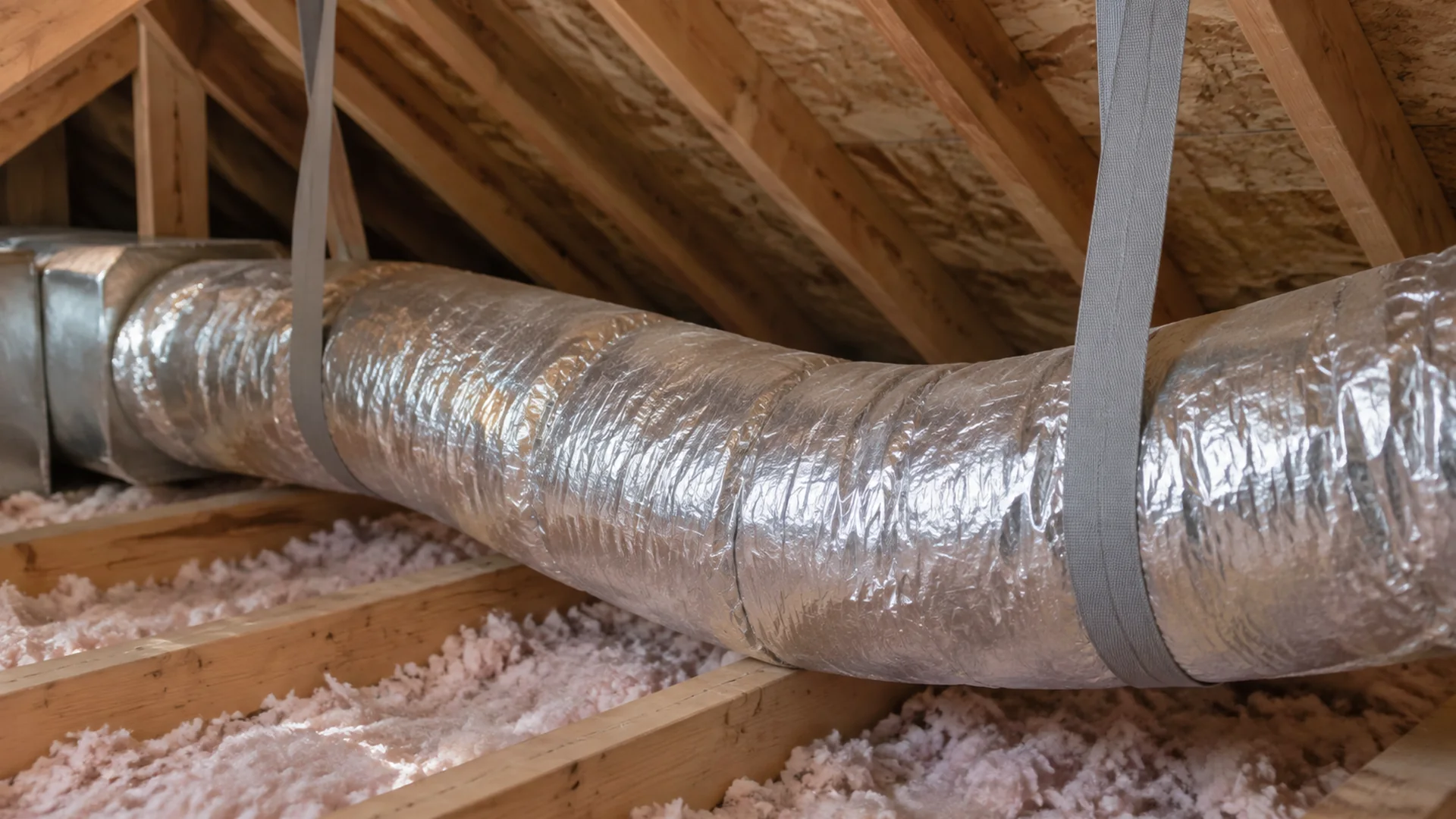
Air ducts do not have a single cleaning interval that fits every home. Decide from the system's condition and the work being proposed, while keeping filter care and heating-and-cooling maintenance on their own schedules.
An annual reminder, a new pet or a San Antonio address does not make concealed ducts due for cleaning. Start with what you have noticed and ask why the proposed work is relevant now.
Is There a Recommended Cleaning Schedule?
The EPA's homeowner guidance recommends considering duct cleaning as needed rather than routinely. It does not establish a universal annual, three-year or five-year appointment for every household.
Dates are useful for keeping records. They cannot establish the current condition of hidden sections. If a provider recommends another cleaning, ask what was observed and how the proposed work addresses it.
A dusty return cover and particles coming from a supply opening are different concerns. Ordinary surface dust does not show the condition of every duct behind the grille. Do not turn a maintenance calendar into a diagnosis.
Which Changes Are Worth Discussing?
Record the location and timing of a new concern. Useful details include:
- Whether a deposit sits on the grille or appears to come from the opening.
- Recent renovation, water exposure or other work in the home.
- An odor, known damage or evidence of pests.
- Previous cleaning, products used and when a concern returned.
These observations help select a next step. They do not prove that ordinary cleaning is suitable whenever one item appears. Suspected growth, damaged material, pests or moisture may need an appropriately qualified assessment first.
Our guide to five air-duct concerns explains how to describe dust, odors and performance questions without assuming they all have the same cause.
Should Ducts Be Cleaned After Renovation?
Tell the provider what work took place, whether dust-producing tasks have finished and what material you have observed. Mention whether the system operated during the project if you know. Keep builder or contractor information available.
There is no universal requirement to book cleaning a fixed number of days after every remodel. A new house is not automatically clean or contaminated, either. Ask what evidence supports a recommendation for that particular system.
Do not enter an attic, lift insulation or reach into ducts to collect proof. Describe accessible observations and any unknown access arrangements. A provider should explain what it needs to assess.
Do Pets or Pollen Seasons Mean More Frequent Cleaning?
Pets and pollen seasons can prompt attention to ordinary household care. They do not establish the amount or type of material inside an individual duct. A neighborhood name, nearby building work or the number of people in a home cannot set a universal interval.
Follow appropriate care instructions for floors, fabrics and pet bedding. Keep those tasks separate from a decision about concealed ducts. Neither spring nor fall is a mandatory duct-cleaning season.
Once cleaning is appropriate, choose a date around access, household arrangements and confirmed availability. Discuss the expected work and any heating or cooling interruption for your actual system.
How Is Duct Cleaning Different From Regular HVAC Care?
Follow the manufacturer's instructions for filters and routine equipment maintenance. Ask an appropriate HVAC provider about a filter that is missing, damaged or does not fit. A duct-cleaning package is not a substitute for correcting that arrangement.
Read the tasks included in any maintenance agreement. Equipment service, filter replacement, repairs and cleaning concealed duct sections are separate items unless the proposal specifically includes them. Do not assume a cleaning inquiry creates a maintenance plan.
Keep a folder with equipment guidance, service dates, renovation notes and cleaning estimates. Include which sections were addressed or could not be reached. Those records help explain a new concern without creating an automatic deadline for another visit.
What About Allergies, Airflow or Higher Bills?
Health symptoms should be discussed with a qualified healthcare professional. A cleaning company cannot identify their cause from dust, an odor or the date of the last visit. We do not offer cleaning as allergy treatment or illness prevention.
Weak airflow, uneven room temperatures and a higher bill can need an HVAC assessment. Cleaning does not repair damaged ducts or guarantee energy savings. Keep those performance questions separate from visible debris you want assessed.
What Should Happen Before the Next Appointment?
Ask which sections and components would be cleaned, how they would be reached and how the method suits the material. Discuss any proposed product and why it is suitable. If the original concern returned, ask whether its cause was addressed before simply shortening the interval.
Our San Antonio air duct cleaning page carries the current rate and package terms. Each thermostat counts as a unit for quoting; multiple units need a confirmed estimate. Confirm any dryer-vent inclusion, since a separate dryer-only visit has its own quote.
For another listed city, request an estimate for that address. San Antonio terms do not automatically apply elsewhere. The next visit should have a clear reason and scope for the home you have.